How to Fix a Washing Machine That Leaks
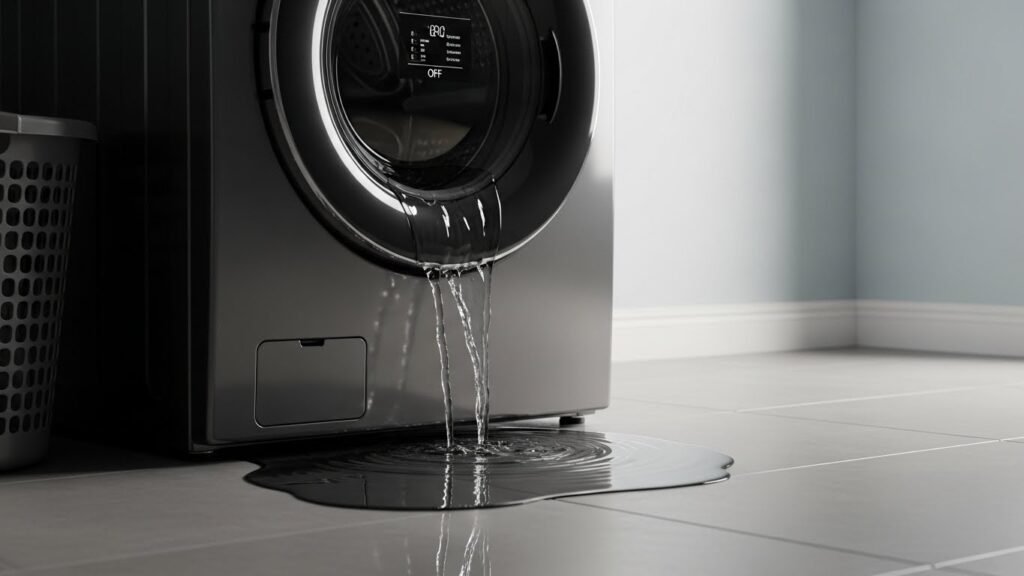
A leaking washer can quickly turn into a major household headache. If you’re wondering how to fix a washing machine that leaks, the good news is many causes are simple and affordable to repair—if caught early. In this guide, we’ll explain why is my washing machine leaking, where the leak usually comes from, and what you can do to fix it safely. Why Is My Washing Machine Leaking? If you notice water coming out of washing machine parts during or after a cycle, the issue usually comes down to hoses, seals, or drainage problems. Common reasons include: Identifying the leak location is the first step. Washer Leaking From Bottom: Most Common Causes A washer leaking from bottom is one of the most reported issues. Why Is My Washing Machine Leaking From the Bottom? Possible causes include: If you see washing machine dripping from the bottom, unplug the unit immediately and inspect underneath. Top Loading Washing Machine Leaking From Bottom A top loading washing machine leaking from bottom usually points to: Yes—can overloading a washer cause it to leak? Absolutely. Too many clothes increase water pressure and force leaks through weak seals. Front Load Washer Leaking Inside If you notice washing machine leaking inside, especially with front loaders, check: Many users ask why is my washer dripping water inside—most of the time, it’s a clogged dispenser or damaged gasket. Water Leak From Washing Machine Hoses A water leak from washing machine hoses is one of the easiest fixes. What to Check Replace hoses every 3–5 years to prevent washer dripping water issues. Clothes Washer Leaking During Spin Cycle If your clothes washer leaking only during spinning: This often happens when the washer isn’t level. What Causes Washing Machine to Leak Internally Internal leaks are more serious. Common internal causes: If you see consistent water coming out of washing machine panels, professional diagnosis is recommended. DIY Fixes You Can Try Safely If you want to know how to fix a washing machine that leaks yourself, start with these safe steps: If leaks persist, stop using the washer to prevent further damage. When to Call a Professional Repair Service Some leaks require expert attention, especially when: Professional washing machine repair ensures the issue is fixed correctly without risking further damage. A proper diagnosis and inspection can identify hidden leaks before they become costly. Preventing Future Washer Leaks To avoid future washer leaking problems: Preventive care extends the life of your washer significantly. Expert Washer Leak Repair Services At MS Appliance Repair Services, we specialize in diagnosing and repairing all types of washer leaks—top load and front load models. Our professional in-home repairs ensure fast, reliable solutions without unnecessary replacements.
Top Load vs Front Load Washer: Pros, Cons, and Efficiency Compared
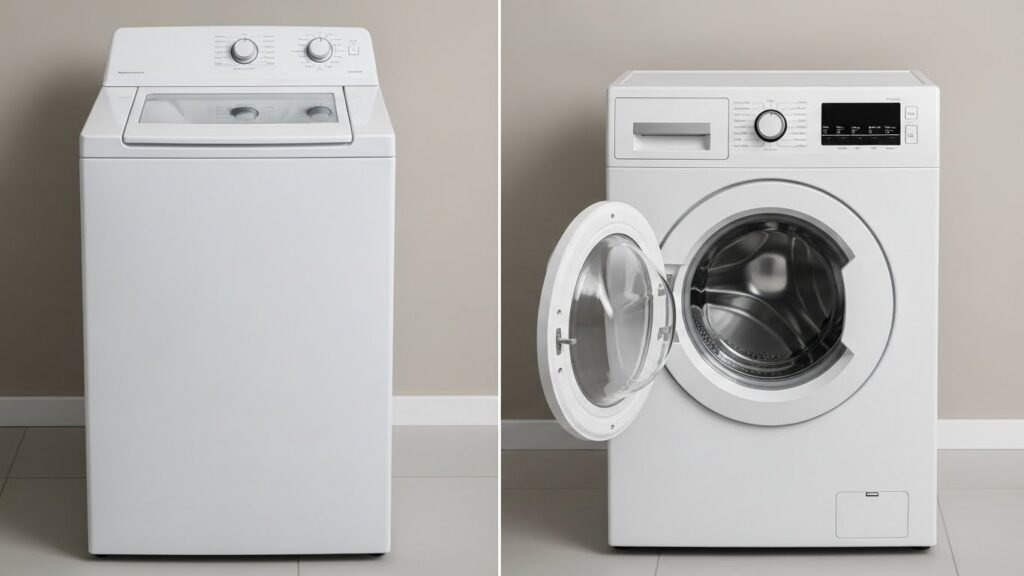
Choosing between a top load vs front load washer can be confusing, especially with so many models and features available. Both washer types clean clothes effectively, but they differ in efficiency, maintenance needs, and long term costs. This guide breaks down the difference between front load and top load washing machine options to help you decide which is right for your home. Top-Loader vs. Front-Loader Washer Overview The debate around Top-Loader vs. Front-Loader washer usually comes down to convenience versus efficiency. Top load washers open from the top and typically use an agitator or impeller. Front load washers open from the front and tumble clothes horizontally. Understanding how each type works makes comparing performance easier. Top Loading Washing Machine vs Front When comparing top loading washing machine vs front, several factors stand out: Each type has advantages depending on household needs. Pros and Cons of Top-Load Washers Pros of Top-Load Washers The main pros and cons of top-load washers start with convenience. Advantages include: Cons of Top-Load Washers Disadvantages include: These factors affect long term operating costs. Pros and Cons of Front Load vs Top Load Washers Advantages of Front Load Washing Machine Many homeowners ask why front load washers are better. Key advantages of front load washing machine include: These benefits make front load washers popular in energy conscious homes. Front Load Washer Disadvantages Despite their efficiency, front load washer disadvantages include: Improper maintenance can lead to mold and performance issues. Front Load Washing Machine vs Top Load Washing Machine Efficiency When comparing front load washing machine vs top load washing machine, front loaders generally win on efficiency. Front load washers use gravity and tumbling motion, requiring less water and energy. This reduces utility bills and wear on components over time. How Much Does a Front Loading Washing Machine Weigh People often ask how much does a front loading washing machine weigh. Most front load washers weigh between: Their heavier build improves stability during high spin cycles but makes installation and movement more challenging. Which Is Best Front Load Washing Machine or Top Load So, which is best front load washing machine or top load? Choose a top load washer if: Choose a front load washer if: The best choice depends on your household needs and usage habits. Maintenance Differences Between Washer Types Both washer types require maintenance. Top load washers need: Front load washers require: If issues arise, professional washing machine repair ensures safe and accurate fixes. Repair and Long Term Ownership Considerations Efficient washers still experience wear over time. Motors, bearings, and pumps eventually need attention. Professional diagnosis and inspection helps identify early problems before they become costly repairs. Trusted Washer Repair Services At MS Appliance Repair Services, we help homeowners maintain and repair both top load and front load washers. Our expert in-home repairs restore performance and extend appliance lifespan. We service all major washer brands and models.
How Often to Change Your Refrigerator Water Filter (And Why It Matters)

Knowing how often to change refrigerator water filter is essential for clean drinking water, proper ice production, and refrigerator performance. A clogged or expired filter can affect taste, water flow, and even your health. This guide explains when to replace your filter and why it should never be ignored. What Does a Refrigerator Water Filter Do Many homeowners ask what does a refrigerator water filter do. A refrigerator water filter removes: Clean filters protect internal components and improve water quality. How Long Does a Refrigerator Filter Last So, how long does a refrigerator filter last? Most refrigerator filters last: Usage levels and water quality affect lifespan, which is why a consistent water filter replacement schedule matters. When to Change Water Filter in Fridge You should know when to change water filter in fridge by watching for signs such as: Ignoring these signs reduces filtration effectiveness. What Happens If You Don’t Change Water Filter in Refrigerator Many ask what happens if you don’t change water filter in refrigerator. Potential issues include: In severe cases, people can get sick from not changing water filter, especially in homes with compromised water quality. How Effective Are Refrigerator Water Filters How effective are refrigerator water filters depends on maintenance and replacement frequency. When replaced on time, filters are highly effective at improving water taste and removing common contaminants. If neglected, effectiveness drops significantly. Are Refrigerator Water Filters Good for Your Health People often wonder are refrigerator water filters good. Yes, when properly maintained, they: Neglecting filters cancels these benefits. How Much Water to Run Through New Fridge Filter After replacement, many ask how much water to run through new fridge filter. Most manufacturers recommend: This removes trapped air and carbon residue. Why Timely Filter Replacement Protects Your Refrigerator Old filters restrict water flow, forcing components to work harder. This can lead to leaks, valve failures, or ice maker issues. If you notice water leaks or poor ice production, professional refrigerator repair may be necessary. Professional Help for Water Filter Issues If filter replacement does not restore proper water flow, professional diagnosis and inspection can identify hidden problems safely. At MS Appliance Repair Services, we offer reliable in-home repairs for refrigerators and water dispensing systems. Trusted Refrigerator Maintenance Services Regular filter changes are a simple step in maintaining your appliance. When issues go beyond filter replacement, our expert appliance repair services help restore performance and water quality.
How to Check Appliance Energy Efficiency Using ENERGY STAR and EnergyGuide Labels

Knowing how to check appliance energy efficiency helps homeowners reduce electricity costs and choose appliances that perform better over time. Energy labels provide clear information about power usage, operating costs, and efficiency ratings. This guide explains how to read these labels and use them to make smarter decisions for your home. What Does Energy Efficient Mean Many people ask what does energy efficient mean when shopping for appliances. Energy efficient appliances perform the same tasks using less electricity or water. This reduces utility bills, lowers strain on appliance components, and improves long term reliability. What Are Energy Efficient Appliances What are energy efficient appliances? These are appliances designed to meet specific performance standards while consuming minimal energy. Common energy efficient household appliances include: Understanding the Power Consumption Label The power consumption label provides essential details about energy usage. Electric Appliance Wattage Label The electric appliance wattage label shows how much electricity an appliance uses during normal operation. Higher wattage means higher electricity consumption. Understanding this label helps estimate monthly operating costs. Reading EnergyGuide Labels EnergyGuide labels compare similar appliances based on energy usage. Key details include: This information helps identify energy efficient ratings quickly and accurately. ENERGY STAR Certification Explained ENERGY STAR certified appliances meet strict efficiency standards. Benefits include: These certifications help identify energy efficient appliances that deliver long term savings. Most Energy Efficient Kitchen Appliances Some of the most energy efficient kitchen appliances include: Regular maintenance through professional maintenance tune-ups ensures these appliances maintain efficiency over time. Home Appliances That Use the Most Energy Understanding home appliances that use the most energy helps prioritize efficiency upgrades. High energy consumers include: If these appliances operate inefficiently, professional diagnosis and inspection helps identify energy draining issues. How Energy-Efficient Appliances Reduce Electricity Costs How energy-efficient appliances reduce electricity costs is simple. Efficient appliances: This leads to noticeable savings on monthly utility bills. Why Appliance Maintenance Matters for Efficiency Even the best energy efficient home appliances lose efficiency without proper care. Dirty components, worn parts, and poor airflow increase energy usage. Professional appliance repair services help restore performance and prevent unnecessary power loss. Choosing the Right Energy Efficient Appliances for Home When selecting energy efficient home appliances, consider: Professional advice ensures you choose appliances that fit your household needs. Professional Help for Energy Efficient Appliances At MS Appliance Repair Services, we help homeowners maintain and repair energy efficient home appliances for optimal performance. Our technicians provide reliable in-home repairs to ensure your appliances operate efficiently and safely.
Fridge Cleaning 101: How to Deep Clean Your Refrigerator at Home
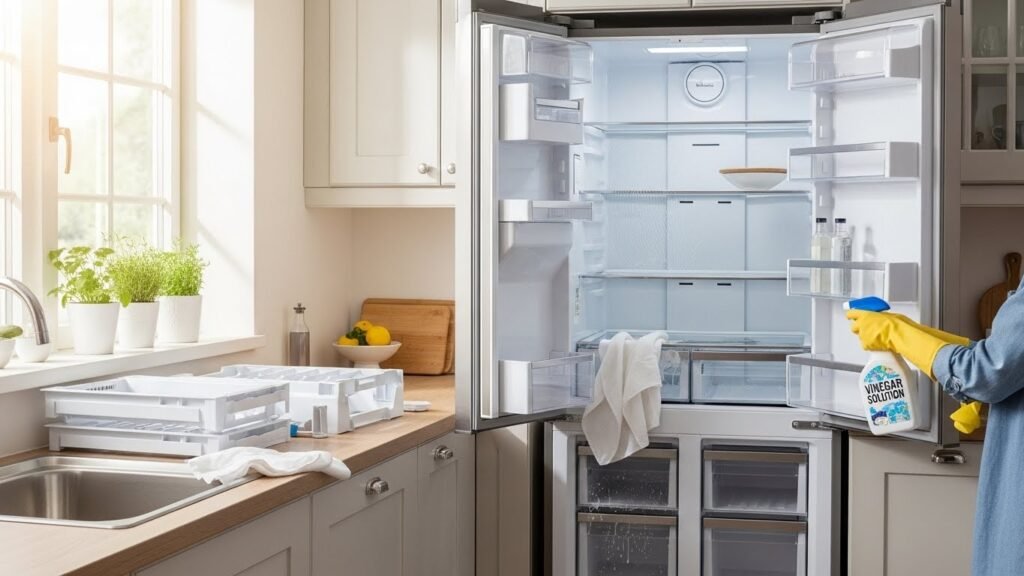
Proper fridge cleaning keeps food fresh, prevents odors, and helps your refrigerator run efficiently. Regular cleaning a refrigerator also reduces the risk of mold, bacteria buildup, and unexpected breakdowns. This guide explains the safest and most effective way to clean every part of your refrigerator at home. Why Regular Refrigerator Sanitizing Matters Routine refrigerator sanitizing removes harmful bacteria and prevents cross contamination. Food spills and moisture create the perfect environment for mold growth if left unchecked. Deep cleaning also improves cooling efficiency and extends appliance lifespan. How to Clean the Refrigerator Step by Step Knowing how to clean the refrigerator properly ensures no area is missed. 1. Empty and Unplug the Refrigerator Remove all food items and unplug the appliance for safety. 2. Remove Shelves and Drawers Wash shelves and drawers with warm water and mild soap. Avoid hot water on cold glass to prevent cracking. 3. Deep Clean Refrigerator Interior To deep clean refrigerator surfaces: For tough stains, vinegar based solutions work well. Cleaning a Refrigerator With Vinegar Cleaning a refrigerator with vinegar is safe and effective. Vinegar neutralizes odors and disinfects without harsh chemicals. Can I Clean a Fridge With Bleach Many homeowners ask can I clean a fridge with bleach. Bleach is not recommended because: Vinegar or mild cleaners are safer options. How to Remove Mould From Fridge If you notice mold, act quickly. To remove mould from fridge: Persistent mold may indicate cooling or sealing problems requiring professional refrigerator repair. How to Clean a Refrigerator Filter Knowing how to clean a refrigerator filter improves water quality and ice production. Clogged filters strain internal components. Best Way to Clean Freezer Compartments The best way to clean freezer sections is: Excess frost may signal airflow issues that require professional service. How to Clean the Outside of a Fridge To clean the outside of a fridge: Exterior care helps maintain appearance and finish. How to Clean Under Fridge and Behind It Dust buildup underneath affects cooling efficiency. How to Move a Refrigerator to Clean Behind Cleaning Behind Refrigerator If cooling issues persist, professional diagnosis and inspection may be needed. Best Refrigerator Cleaner Options The best refrigerator cleaner is one that: Natural solutions are often the safest choice for routine cleaning. When to Consider Professional Fridge Cleaning Sometimes home cleaning is not enough. Professional fridge cleaning is recommended if: Our technicians at MS Appliance Repair Services offer reliable in-home repairs and maintenance to restore performance safely. Trusted Refrigerator Care Services At MS Appliance Repair Services, we provide expert appliance repair services to keep your refrigerator clean, efficient, and reliable.
Whirlpool Washer Making Loud Noise? Common Causes and Easy Fixes
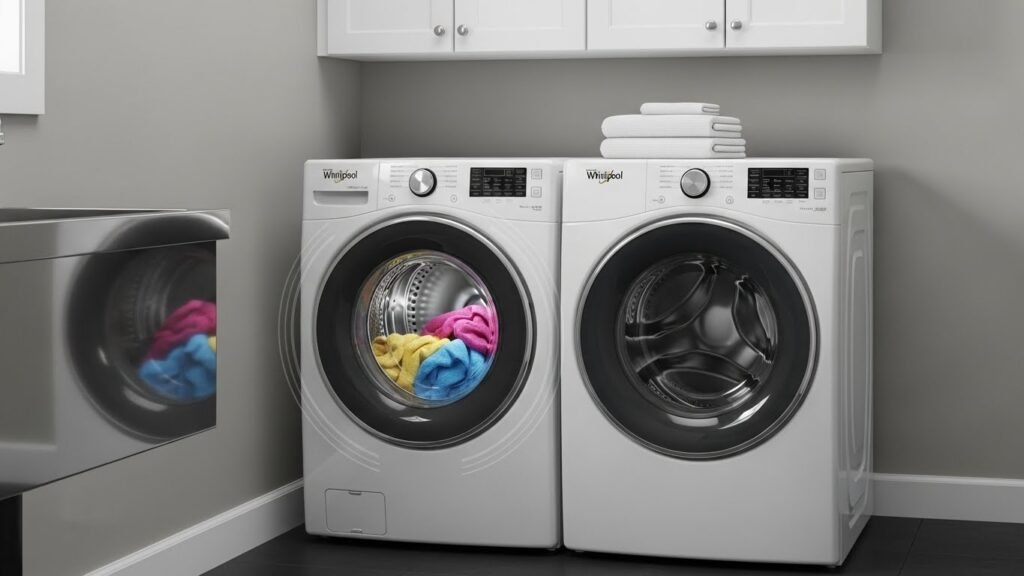
A Whirlpool washer making loud noise can be alarming, especially when it starts suddenly or gets worse over time. Loud sounds often indicate worn parts, load issues, or internal component problems that should not be ignored. This guide explains the most common reasons your washer is noisy and what you can do to fix it. Why Is My Washing Machine So Loud If you are wondering why is my washing machine so loud, the answer usually depends on when the noise occurs. Common causes include: Identifying the timing of the noise helps narrow down the problem. Washing Machine Making Noise When Spinning A washing machine making noise when spinning often points to balance or suspension problems. Possible reasons: If redistributing the load does not help, professional washing machine repair may be required. Whirlpool Washer Making Loud Noise During Wash Cycle When a Whirlpool washer making loud noise during wash cycle, the issue is usually related to moving parts. Common causes include: These parts experience constant motion and wear over time. Whirlpool Washer Making Noise When Off Hearing a Whirlpool washer making noise when off can be concerning. This may be caused by: If the noise persists, a professional diagnosis and inspection helps identify the source safely. Foreign Objects Inside the Washer Coins, buttons, and small items can get trapped inside the drum or pump. Signs include: Removing trapped items early prevents serious damage. When DIY Fixes Are Not Enough Basic steps like leveling the washer and checking pockets can help, but not all issues are safe to fix at home. Attempting complex repairs without training can worsen the problem and create safety risks. How to Fix a Whirlpool Washer Safely If you are searching how to fix a Whirlpool washer, professional service is often the safest option. At MS Appliance Repair Services, our technicians provide reliable in-home repairs to resolve noise issues efficiently and prevent further damage. Why Prompt Repair Matters Ignoring loud washer noises can lead to: Early professional repair protects your investment and restores quiet operation. Trusted Washer Repair Services At MS Appliance Repair Services, we specialize in diagnosing and fixing noisy washing machines. Our expert appliance repair services ensure your Whirlpool washer runs smoothly and quietly again.
Dishwasher Dos And Don’ts: What Not To Put In Dishwasher
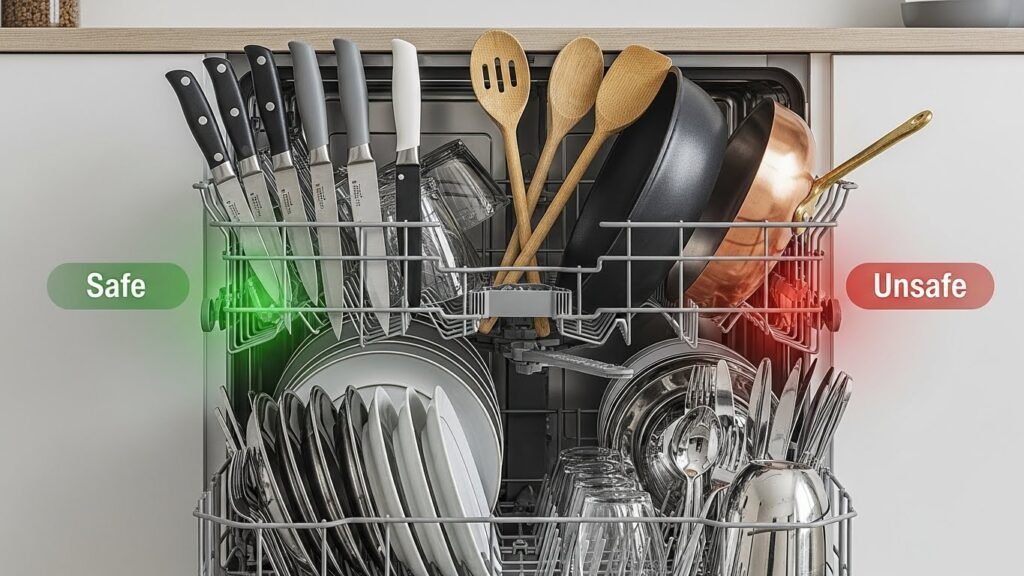
Knowing what not to put in dishwasher helps protect your kitchen tools, extend appliance life, and prevent costly repairs. While dishwashers are convenient, not everything belongs inside them. This guide explains common items that should never go in a dishwasher and how to avoid damaging both your dishes and the appliance itself. How Do You Know If Something Is Dishwasher Safe Many people ask how do you know if something is dishwasher safe. The best way is to check the manufacturer label or symbol on the item. If there is no label, consider: When in doubt, hand washing is safer. Copper in Dishwasher Putting copper in dishwasher is a common mistake. Can Copper Cookware Go in Dishwasher No, can copper cookware go in dishwasher safely is a clear no. High heat and strong detergents cause copper to discolor and corrode. Can Copper Pans Go in the Dishwasher Can copper pans go in the dishwasher is also not recommended. Dishwashers strip protective coatings and cause permanent damage. Can Pots Go in the Dishwasher Many people assume all cookware is dishwasher safe. If damage occurs, professional dishwasher repair may be required to restore proper function. Can You Wash Stainless Steel in the Dishwasher Can you wash stainless steel in the dishwasher depends on quality and finish. High quality stainless steel usually tolerates dishwashers, but frequent cycles can cause: Hand drying helps prevent damage. Can You Put Blackstone Utensils in the Dishwasher Can you put Blackstone utensils in the dishwasher is not recommended. Cast iron and Blackstone cookware lose seasoning and can rust when exposed to dishwasher detergents and moisture. Can You Put Knives in the Dishwasher Can you put knives in the dishwasher is a bad idea. Dishwashers: Hand washing preserves sharpness and safety. Why Can’t You Put Non Stick Pans in the Dishwasher Many ask why can’t you put non stick pans in the dishwasher. The heat and detergent: Even dishwasher labeled non stick pans last longer when hand washed. Can Wood Go in the Dishwasher Can wood go in the dishwasher should always be avoided. Wooden items absorb water, causing: This includes cutting boards, wooden spoons, and rolling pins. How Improper Loading Can Damage Your Dishwasher Overloading or placing the wrong items inside can: These issues often require professional diagnosis and inspection to resolve. Protecting Your Dishwasher and Kitchenware Following these what not to put in dishwasher guidelines helps prevent damage and extends appliance lifespan. If your dishwasher stops cleaning properly or shows signs of damage, expert in-home repairs ensure safe and reliable operation. Trusted Dishwasher Repair Services At MS Appliance Repair Services, we provide dependable appliance repair services for dishwashers and all major household appliances. Our technicians help restore performance, prevent recurring issues, and protect your investment.
How to Clean Rust from Stainless Steel Appliances: Easy Home Remedies
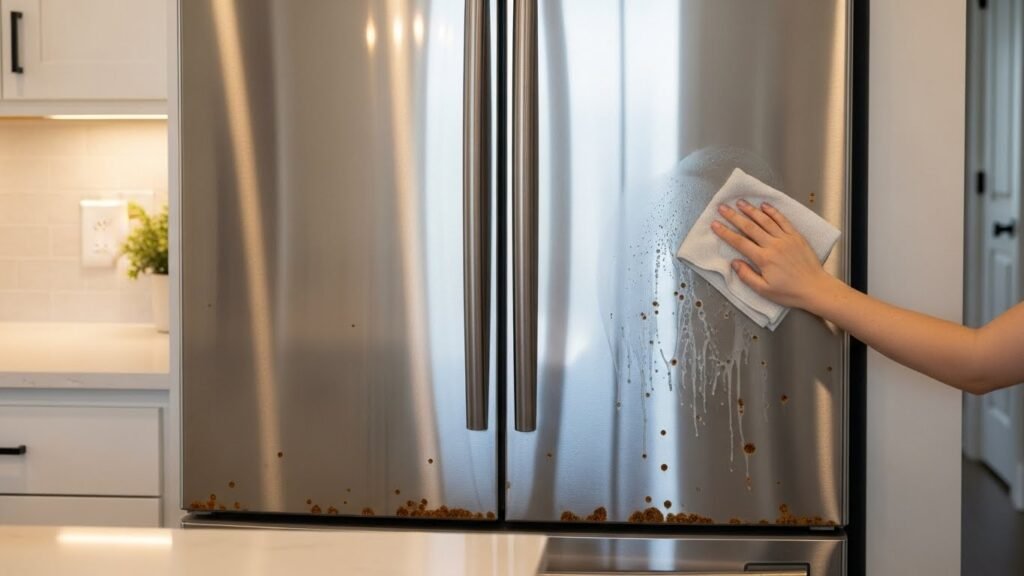
Knowing how to clean rust from stainless steel helps preserve the appearance and lifespan of your appliances. While stainless steel is designed to resist corrosion, rust can still form when the protective surface is damaged or exposed to moisture over time. This guide explains safe and effective methods for removing rust and preventing it from coming back. Why Rust Forms on Stainless Steel Appliances Many homeowners are surprised to see rust on stainless steel appliances. Common causes include: A rust spot on stainless steel fridge often appears near door edges, handles, or water dispensers where moisture is present. Assessing the Severity of Rust Spots Before attempting removal of rust from stainless steel, check how deep the rust is. If rust spreads quickly or affects appliance function, professional refrigerator repair may be necessary. Easy Home Remedies to Remove Rust These methods work best for light rust and surface stains. Baking Soda Paste This method safely helps rust off stainless steel without damaging the surface. White Vinegar Treatment Vinegar breaks down rust but should not be left on too long. Lemon Juice and Salt This natural solution is effective for mild rust buildup. What to Avoid When Cleaning Rust Using the wrong tools can cause permanent damage. Avoid: These can worsen rust and damage stainless steel finishes. Preventing Rust on Stainless Steel Appliances After how to clean rust from stainless steel is complete, prevention is key. Prevention tips: Routine appliance cleaning and maintenance reduces the risk of rust returning. When Rust Indicates a Bigger Problem Rust can sometimes point to underlying appliance issues such as: If rust appears near water lines or dispenser areas, a professional diagnosis and inspection helps identify hidden problems early. Professional Help for Appliance Damage When rust affects appliance performance or spreads rapidly, expert service is recommended. At MS Appliance Repair Services, we provide reliable appliance repair services to protect your investment and restore appliance function. Timely repairs prevent further damage and help extend appliance lifespan.
How to Deep Clean Appliances and Keep Them Looking Like New
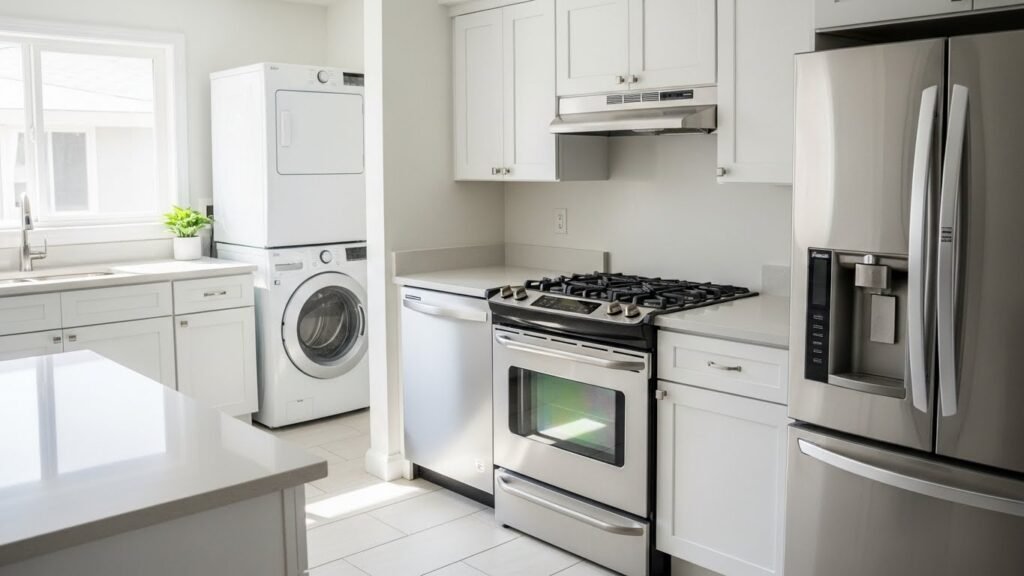
Knowing how to deep clean appliances helps improve performance, extend lifespan, and keep your home hygienic. Regular appliance cleaning prevents buildup that can lead to breakdowns, odors, and higher energy usage. This guide covers essential appliance cleaning and maintenance steps for the most common household appliances. Why Appliance Cleaning and Maintenance Matters Routine maintenance of household appliances reduces wear and improves efficiency. Dirt, grease, and mineral deposits force appliances to work harder and shorten their lifespan. A properly clean house appliance setup also improves indoor air quality and keeps your kitchen and laundry areas looking fresh. How to Deep Clean Your Fridge A refrigerator should be deep cleaned every three to six months. Steps to deep clean your fridge: If your fridge struggles to cool or leaks after cleaning, professional refrigerator repair may be required. How to Clean Glass Stove Top Safely A clean glass stove top improves cooking performance and prevents surface damage. Best practices: Cracks or heating issues should be addressed through expert stove repair. How to Clean Your Dishwasher Properly Knowing how to clean your dishwasher helps eliminate odors and improves cleaning results. Steps include: If cleaning does not improve performance, professional dishwasher repair can resolve underlying issues. How to Clean the Washing Machine Many people forget how to clean the washing machine, even though it handles dirty laundry daily. Recommended steps: Persistent odors or draining problems may require professional washing machine repair. Cleaning Dryers and Maintaining Airflow Dryers should be cleaned regularly to prevent fire hazards. Maintenance tips: For heating or drying issues, expert dryer repair ensures safe operation. When Cleaning Is Not Enough Sometimes deep cleaning does not fix performance issues. If appliances show signs like: A professional diagnosis and inspection helps identify hidden problems before they become major repairs. Professional Appliance Maintenance Services At MS Appliance Repair Services, we help homeowners maintain appliances through expert cleaning guidance, maintenance, and repairs. Our technicians offer reliable in-home repairs for all major household appliances. Proper maintenance combined with professional care keeps appliances looking new and working efficiently.
Why Your Samsung Oven Is Not Cooking Evenly (and How to Solve It)
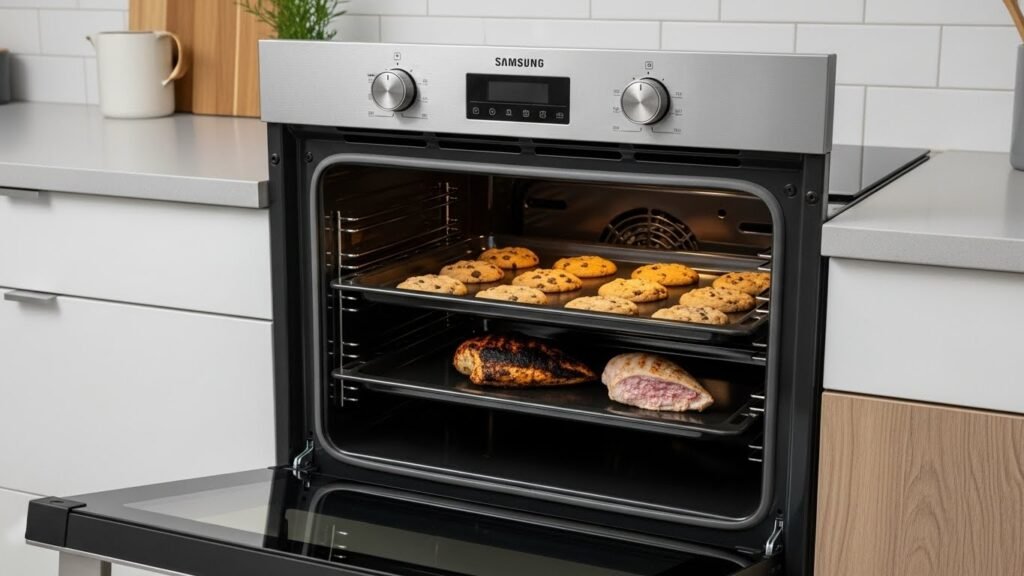
A Samsung oven not cooking evenly can quickly turn simple meals into frustrating experiences. When food is burned on one side and undercooked on the other, it usually means something inside the oven is not working correctly. Understanding the causes of uneven oven cooking helps you decide whether the issue can be fixed at home or requires professional repair. Common Signs of Uneven Oven Cooking If you notice any of the following issues, your oven may need attention: These symptoms are common with uneven oven cooking problems in Samsung ovens. Samsung Oven Temperature Problem A major reason an oven fails to cook evenly is a Samsung oven temperature problem. When the oven cannot regulate heat properly, food cooks inconsistently. Common temperature related issues include: If your Samsung oven not heating properly, professional testing may be required to identify the exact fault. Samsung Oven Not Heating Properly or Getting Hot Enough When a Samsung oven not getting hot enough, cooking times increase and results suffer. Some homeowners report their Samsung oven not heating over 175 degrees, which usually indicates: In these cases, professional oven repair ensures safe and accurate temperature restoration. Heating Element Issues Ovens rely on bake and broil elements to distribute heat evenly. If one element fails: A damaged element often requires expert part replacement to restore proper cooking performance. Airflow and Fan Problems Samsung convection ovens use fans to circulate hot air. When airflow is blocked or the fan malfunctions: A proper diagnosis and inspection helps determine whether airflow or fan components are causing the issue. Incorrect Rack Position and Load Size While not a mechanical fault, incorrect rack placement can worsen oven not cooking evenly problems. Best practices include: If these adjustments do not help, the issue is likely internal. Electrical and Control Board Issues Modern Samsung ovens rely on electronic control boards. When the control board malfunctions: Control board repairs require trained professionals due to electrical safety concerns. When to Call a Professional for Samsung Oven Repair If your Samsung oven not cooking evenly continues despite basic troubleshooting, professional service is the safest solution. At MS Appliance Repair Services, our experienced technicians specialize in Samsung appliance repairs and provide reliable in-home repairs to restore even heating and cooking performance. Why Professional Repair Is the Best Solution Professional oven repair ensures: Our comprehensive appliance repair services help keep your kitchen running smoothly.